


Thompson Chevrolet - Patterson, CA

Blog / Chevrolet Dealer Patterson, CA

Chevy Traverse vs Tahoe: Which SUV Works Better for Patterson Families?

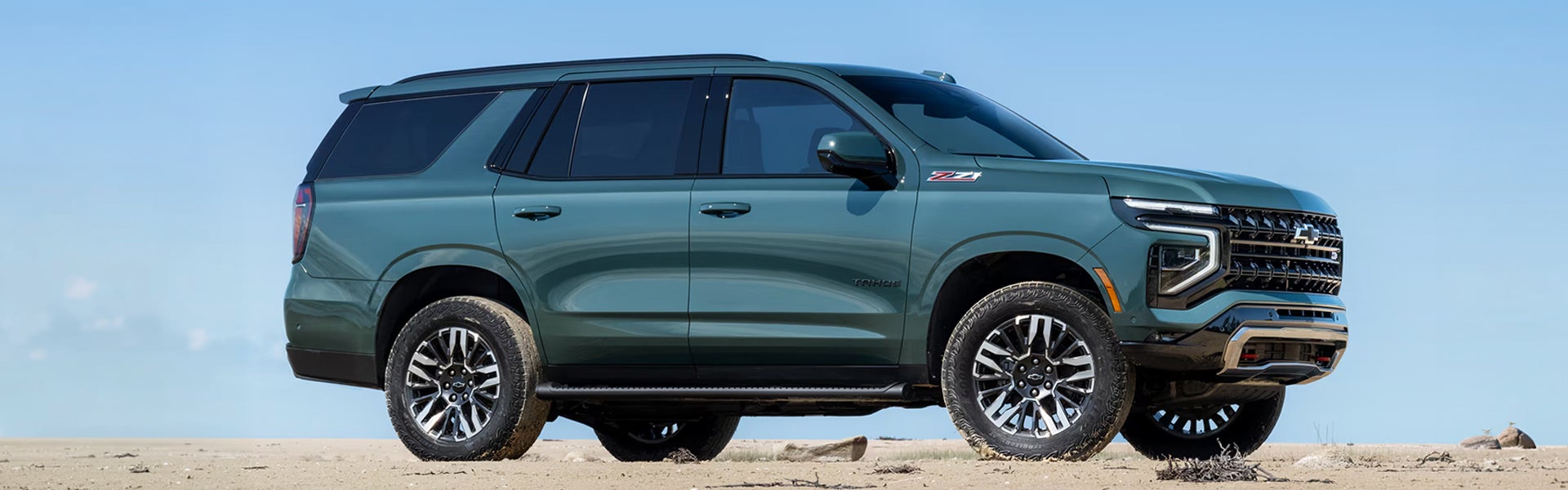
Green Chevrolet Tahoe Z71 parked on sandy terrain.

Two Great Three-Row SUVs


Choosing the right three-row Chevy SUV requires matching a vehicle to your daily routine. Patterson, CA buyers often weigh the Traverse against the Tahoe. Both provide ample seating and robust features, but they cater to different needs. The team at Thompson Chevrolet is ready to help you explore both options and find the perfect fit for your lifestyle. Reach out to our staff today to learn more and begin your search.

Size and Body Style


The Traverse is a crossover riding on a car-based platform. This setup provides a lower step-in height, a smooth ride on paved roads, and easy maneuverability in tight spaces. The Tahoe uses a body-on-frame truck platform. This construction gives the Tahoe a taller ride height and a commanding road presence. The Traverse feels natural for families navigating city streets. If your routine involves heavy hauling or off-road trails, the Tahoe offers a distinct advantage.

Towing and Capability


The Tahoe leads in pulling power. Equipped with the standard 5.3L V8 engine and Max Trailering Package, the Tahoe tows up to 8,400 pounds. Chevrolet also offers a 6.2L V8 and a 3.0L Duramax diesel for varied performance needs. The Traverse relies on a responsive 2.5L turbocharged four-cylinder engine across all trims. It handles up to 5,000 pounds when properly equipped. This capacity easily manages small campers and utility trailers.  

Interior Space and Family Comfort


The Traverse provides exceptional passenger comfort. The third row comfortably seats adults. Cargo space behind the third row measures 22.9 cubic feet and expands to 98 cubic feet with the rear seats folded. The Tahoe features a higher floor due to its truck frame. Its cabin feels substantial, offering premium features like a 10.2" diagonal touchscreen and Super Cruise hands-free driving technology. The Traverse includes an available Wi-Fi hotspot and wireless Apple CarPlay© and Android Auto© on higher trims.  

Find Your Chevy SUV at Thompson Chevrolet


The Traverse delivers excellent passenger room and a comfortable ride for navigating Central Valley traffic. The Tahoe provides the power and capability required for demanding tasks. Thompson Chevrolet is here to help Patterson, CA drivers find their ideal match. Stop by our showroom or browse our digital inventory to compare trims and schedule a test drive. Getting behind the wheel of both SUVs is the best way to make your final decision.
Posted in:

Related Posts

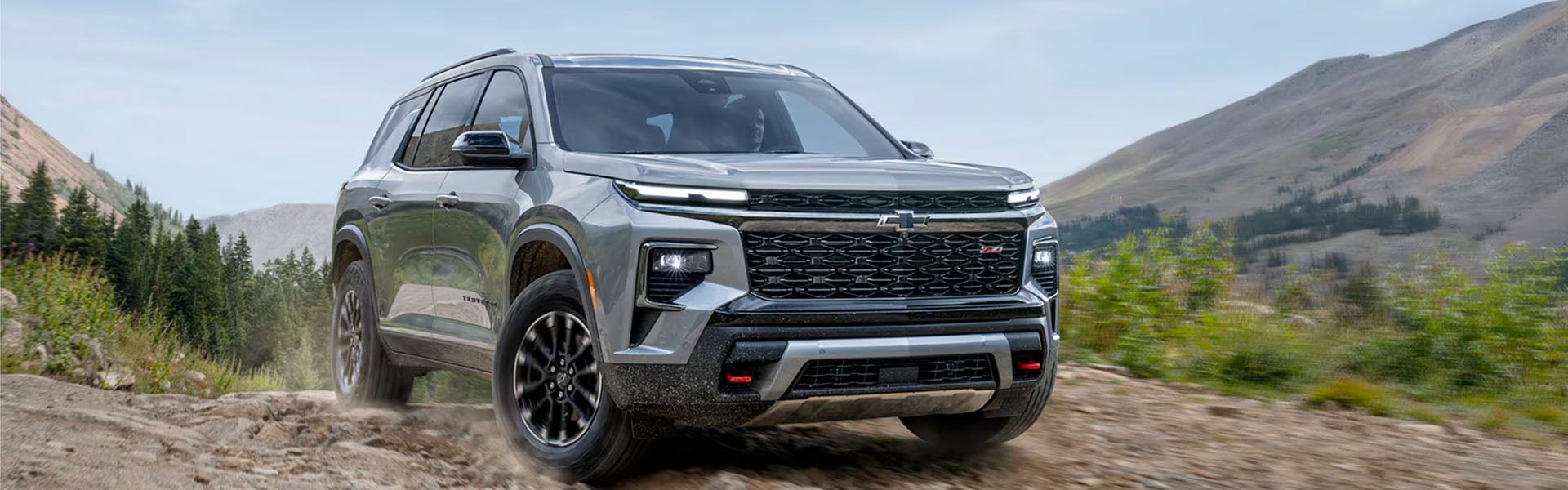
Silver Chevrolet Traverse Z71 driving on a rocky mountain trail.

AWD vs. FWD in Rain: Do You Need All-Wheel Drive for Rainy-Season Driving Around Patterson?

If you've ever white-knuckled it through a downpour on Highway 33 or crept through standing water near the Delta, you've probably wondered whether your drivetrain is working for you or against you. The question of all-wheel drive vs. front-wheel drive in rain is one of the most common things Patterson, California drivers consider when shopping for a new vehicle—and the honest answer is more nuanced than most people expect. What AWD and FWD Actually Do There are different types of all-wheel drive (AWD) systems. One of them sends power to all 4 wheels simultaneously, which helps the vehicle maintain forward momentum on slippery surfaces. On-demand AWD sends most or all power to one axle when wheel slip occurs. Front-wheel drive sends power only to the front wheels, which also serve as the steering wheels. In everyday wet-road conditions, a well-engineered FWD vehicle can feel remarkably composed because the weight of the engine sits directly over the driven wheels, improving traction at lower speeds. AWD shines when you're accelerating out of a wet intersection or climbing a slick on-ramp. It distributes torque to whichever wheels have the most grip, which can reduce wheel spin and help you get moving more confidently. However, AWD does not shorten your stopping distance—braking is handled by all 4 wheels regardless of drivetrain. The Role Tires Play Here's what many shoppers overlook: tires for wet roads matter far more than drivetrain choice in most rainy-season scenarios. A quality set of all-season or dedicated wet-weather tires with deep, open tread grooves channels water away from the contact patch and dramatically reduces the risk of hydroplaning. An AWD vehicle riding on worn or performance-summer tires will handle wet pavement worse than an FWD vehicle equipped with proper tires for wet roads. Tread depth is the key figure to watch. Most tire manufacturers recommend replacing tires when tread depth drops below 2/32 of an inch, but for wet-road confidence, many experts suggest swapping them out at 4/32 of an inch. If you're unsure where your tires stand, a quick penny-and-quarter test or a visit to Thompson Chevrolet's service lane can give you a clear answer before the rainy season hits. How This Applies to Patterson, CA Drivers Patterson, CA sits in the San Joaquin Valley, where winter rain can arrive quickly and leave roads slick with oil residue that has built up during dry months. That first rain of the season is often the most treacherous, because the oil hasn't yet been washed away. In those conditions, both AWD and FWD vehicles benefit most from fresh tires with strong wet-road ratings and properly calibrated stability control systems. For drivers who regularly travel rural roads outside Patterson or commute over Pacheco Pass, AWD can provide a meaningful confidence boost on roads that drain slowly or accumulate debris. For most in-town driving, a capable FWD crossover with good tires handles wet pavement without drama. Choosing the Right Chevrolet for Wet-Weather Driving Chevrolet offers AWD, generally an on-demand system, across much of its SUV and truck lineup, so you have real flexibility depending on your driving habits. The Equinox and Traverse both offer available AWD for drivers who want that added security on wet roads, while still delivering a comfortable, everyday ride. If you're primarily driving paved roads around Patterson and want a capable, efficient option, a well-equipped FWD model paired with quality tires for wet roads is a perfectly sound choice. The Silverado and Colorado also offer 4-wheel drive for those who need to handle more demanding conditions, including muddy job sites or unpaved roads after a heavy rain. Visit Thompson Chevrolet to Find Your Best Fit When it comes to AWD vs FWD in rain, there's no single right answer for every driver - it depends on your routes, your habits, and the condition of your tires. The team at Thom pson Chevrolet is ready to walk you through the options and help you find the right vehicle for rainy-season driving in Patterson, CA. Stop by or visit us at thompsonchevrolet.com to explore current inventory and schedule a test drive.

Rows of used cars and SUVs in a parking lot.

Used SUV-Buying Checklist for Modesto and Turlock Shoppers

Buying a used SUV is one of the bigger financial decisions most people make, and walking into the process without a plan can lead to costly mistakes. Whether you're shopping in Modesto, Turlock, Patterson, or anywhere in the Central Valley, CA, having a clear used SUV-buying checklist puts you in control from the start. This guide walks you through every step so you can shop with confidence and find a vehicle that genuinely fits your life. Step 1: Set Your Priorities Before You Shop Before you browse a single listing, write down what you actually need. Think about passenger capacity—do you need seating for five or seven? Consider cargo space for hauling gear, sports equipment, or groceries. Decide whether you need all-wheel drive for occasional off-road use or wet-weather driving. Also think about fuel economy, towing capability, and tech features like Apple CarPlay® or a built-in Wi-Fi® hotspot. Think about what you don’t need, also. It’s easy to get excited about some features, but knowing what matters to you will help you avoid overpaying for features you might not use. Do you actually need heated seats? Towing capability? Having these priorities on paper keeps you from getting distracted by a vehicle that looks great but doesn't match your real needs. Step 2: Research Reliability & Ownership Costs Not all used SUVs age the same way. Look up reliability ratings for the make, model, and year you're considering. Pay attention to known issues for specific model years, which can often be found through owner forums and consumer reviews. Factor in long-term ownership costs beyond the purchase itself—things like insurance rates, routine maintenance intervals, and don’t forget about the availability of parts. If you find a vehicle model year that’s rated well for reliability and its parts are easy to find, that makes for a smart purchase. Additionally, a well-documented service history from the previous owner is a strong indicator that the vehicle was cared for properly. Step 3: Inspect the Vehicle Thoroughly A thorough physical inspection is non-negotiable. Check the exterior for uneven panel gaps, mismatched paint, or rust along the wheel wells and undercarriage. These can signal past collision damage or deferred maintenance. Inside, test every button, screen, and climate control function. Look at the condition of the seats, headliner, and floor mats for signs of heavy wear. Under the hood, check fluid levels and look for any signs of leaks or corrosion around the engine block or hoses. If you're not mechanically inclined, bring along someone who is, or arrange a pre-purchase inspection with an independent mechanic. Step 4: Run a Vehicle History Report A Vehicle History Report through a service like CARFAX® or AutoCheck® gives you a clear picture of the SUV's past. It will show you accident history, the number of previous owners, title status—such as Clean, Salvage, or Rebuilt—and whether the odometer reading is consistent across records. Pay close attention to any gaps in the service history, which may indicate periods where maintenance was skipped. A clean title and consistent service records are two of the strongest signals that a used SUV is worth pursuing. Step 5: Take It for a Real Test Drive A test drive should cover more than just a lap around the parking lot. Drive it on the highway to check for vibration or pulling at speed. Test the brakes firmly in a safe area to feel for pulsing or pulling. Listen for any unusual noises when turning, accelerating, or going over bumps. And if the vehicle has 4WD, engage the system to ensure it works smoothly. For drivers searching for used SUVs near Modesto and Turlock, local roads offer a good mix of city stops and open stretches to evaluate how the vehicle really performs day to day. Step 6: Verify Financing & Paperwork Before signing anything, review the title, any remaining warranty coverage, and all documentation carefully. Confirm that the VIN on the paperwork matches the VIN on the vehicle. If the SUV is Certified Pre-Owned, ask exactly what the certification inspection covers and what warranty terms apply. Find Your Next Used SUV at Thompson Chevrolet Thompson Chevrolet in Patterson, CA serves drivers throughout the Central Valley, including Modesto and Turlock. If you're working through your used SUV buying checklist and ready to see what's available, the team at Thompson Chevrolet can help you find a vehicle that checks every box. Visit Thompson Chevrolet to browse current inventory and schedule a test drive today.

Car dealership salesperson discussing a vehicle with customers.

Chevrolet Warranty Explained: What New Owners Should Know About Coverage and Service

A new Chevrolet represents a considerable investment in engineering, manufacturing, and technology. Its warranty is part of that investment, establishing which mechanical and electrical failures the manufacturer will address during a defined period. Yet warranty coverage is often misunderstood, particularly when it comes to maintenance obligations and exclusions. For owners seeking Chevy warranty service near Patterson, CA, understanding those distinctions can prevent unnecessary expense and confusion. Understanding Chevrolet's Warranty Structure Chevrolet's new-vehicle warranty consists of several separate protections, each addressing different components and operating conditions. The Bumper-to-Bumper Limited Warranty generally covers qualifying defects in materials or workmanship for 3 years or 36,000 miles, whichever occurs first. It encompasses numerous electrical, climate-control, interior, and exterior components, subject to specific exclusions. The Powertrain Limited Warranty extends protection to 5 years or 60,000 miles for covered engine, transmission, and drivetrain components. These assemblies contain some of the vehicle's most mechanically demanding systems, making this additional coverage significant. Chevrolet also provides roadside assistance, corrosion protection, and federally mandated emissions warranties. Coverage periods vary by program and component, with certain emissions-related parts protected for up to 8 years or 80,000 miles. Why Warranty Coverage Has Limits A manufacturer's warranty protects against qualifying defects; it isn't a comprehensive maintenance agreement. Engine oil, filters, tire rotations, and brake servicing are generally routine ownership expenses. Components such as brake pads and windshield wiper blades also experience normal wear and aren't ordinarily covered simply because they require replacement. Accident damage, improper operation, and failures caused by unsuitable modifications may fall outside warranty protection. The distinction is important: a component failing because of defective manufacture presents a different situation from one damaged through external causes. Service technicians must establish the nature of a failure before determining eligibility. That diagnostic process is an essential part of responsible warranty administration. Maintenance and Your Warranty Rights Regular maintenance protects the vehicle's mechanical condition and helps establish whether a failure resulted from a defect or inadequate care. Follow the service intervals and specifications in your Chevrolet owner's manual, including the correct fluids and replacement parts. Retain invoices and maintenance records, particularly when servicing the vehicle outside a dealership. Importantly, routine maintenance doesn't have to be performed exclusively at our Chevrolet dealership to preserve factory warranty coverage. Nor does installing an aftermarket component automatically invalidate the entire warranty. However, a manufacturer may deny coverage for a failure caused by improper maintenance or an unsuitable part. Warranty repairs themselves are generally handled through authorized Chevrolet service facilities, where technicians can follow GM diagnostic procedures and process eligible claims. What Happens During a Warranty Service Visit? When a potential warranty concern arises, accurate diagnosis comes first. A technician examines the reported symptoms, checks relevant electronic fault information, and evaluates the affected system. Modern Chevrolets contain interconnected mechanical and electronic controls, so a warning light doesn't always identify the failed component directly. Establishing the underlying cause helps ensure that the correct repair is performed. If the fault qualifies for warranty coverage, the authorized service department can complete the applicable repair using approved procedures and parts. Owners should confirm coverage and any potential diagnostic charges before authorizing work. Why Documentation Deserves Attention Good maintenance records provide a history of the vehicle's condition and servicing. They can establish when fluids were replaced, inspections completed, and developing concerns first reported. It's also worth reviewing the warranty booklet supplied with your specific Chevrolet. Coverage can differ according to model, powertrain, model year, and warranty program. The written terms remain the definitive reference for eligibility. Schedule Chevrolet Warranty Service at Thompson Chevrolet Understanding Chevrolet's warranty means knowing both the protection provided and the responsibilities that accompany ownership. Thompson Chevrolet in Patterson, CA, can help identify eligible repairs and explain the applicable warranty terms. Contact the dealership or schedule a service appointment online to have Chevrolet-trained technicians look at your vehicle's concerns professionally.