


What AWD and FWD Actually Do
There are different types of all-wheel drive (AWD) systems. One of them sends power to all 4 wheels simultaneously, which helps the vehicle maintain forward momentum on slippery surfaces. On-demand AWD sends most or all power to one axle when wheel slip occurs.
Front-wheel drive sends power only to the front wheels, which also serve as the steering wheels. In everyday wet-road conditions, a well-engineered FWD vehicle can feel remarkably composed because the weight of the engine sits directly over the driven wheels, improving traction at lower speeds.
AWD shines when you're accelerating out of a wet intersection or climbing a slick on-ramp. It distributes torque to whichever wheels have the most grip, which can reduce wheel spin and help you get moving more confidently. However, AWD does not shorten your stopping distance—braking is handled by all 4 wheels regardless of drivetrain.
The Role Tires Play
Here's what many shoppers overlook: tires for wet roads matter far more than drivetrain choice in most rainy-season scenarios. A quality set of all-season or dedicated wet-weather tires with deep, open tread grooves channels water away from the contact patch and dramatically reduces the risk of hydroplaning. An AWD vehicle riding on worn or performance-summer tires will handle wet pavement worse than an FWD vehicle equipped with proper tires for wet roads.
Tread depth is the key figure to watch. Most tire manufacturers recommend replacing tires when tread depth drops below 2/32 of an inch, but for wet-road confidence, many experts suggest swapping them out at 4/32 of an inch. If you're unsure where your tires stand, a quick penny-and-quarter test or a visit to Thompson Chevrolet's service lane can give you a clear answer before the rainy season hits.
How This Applies to Patterson, CA Drivers
Patterson, CA sits in the San Joaquin Valley, where winter rain can arrive quickly and leave roads slick with oil residue that has built up during dry months. That first rain of the season is often the most treacherous, because the oil hasn't yet been washed away. In those conditions, both AWD and FWD vehicles benefit most from fresh tires with strong wet-road ratings and properly calibrated stability control systems.
For drivers who regularly travel rural roads outside Patterson or commute over Pacheco Pass, AWD can provide a meaningful confidence boost on roads that drain slowly or accumulate debris. For most in-town driving, a capable FWD crossover with good tires handles wet pavement without drama.
Choosing the Right Chevrolet for Wet-Weather Driving
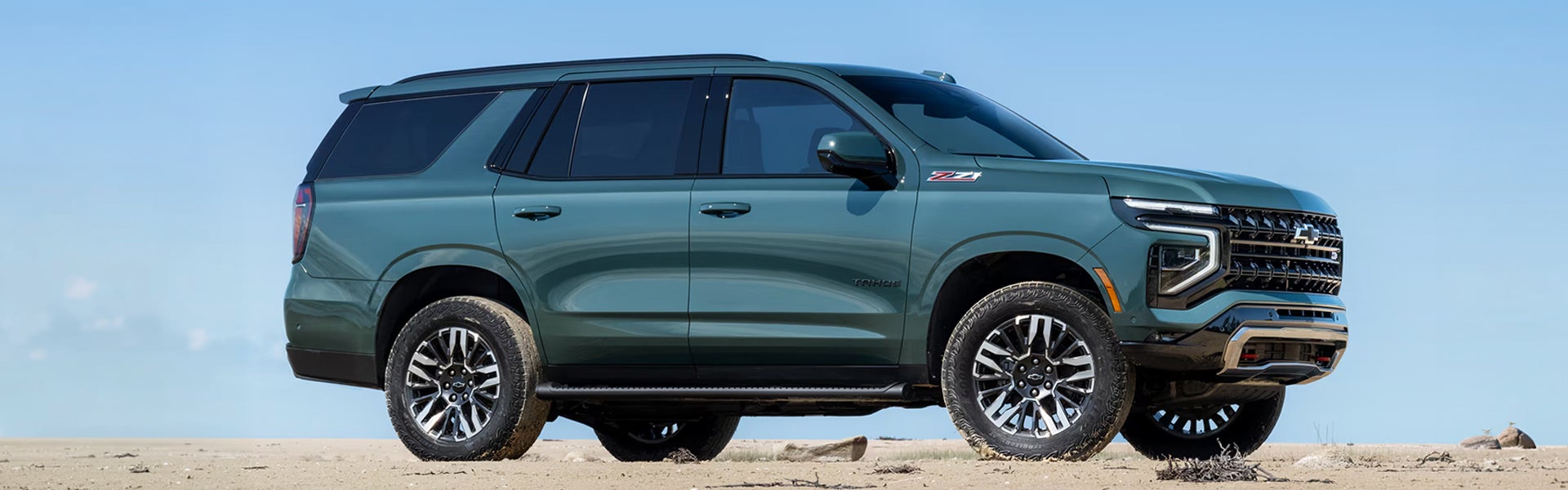
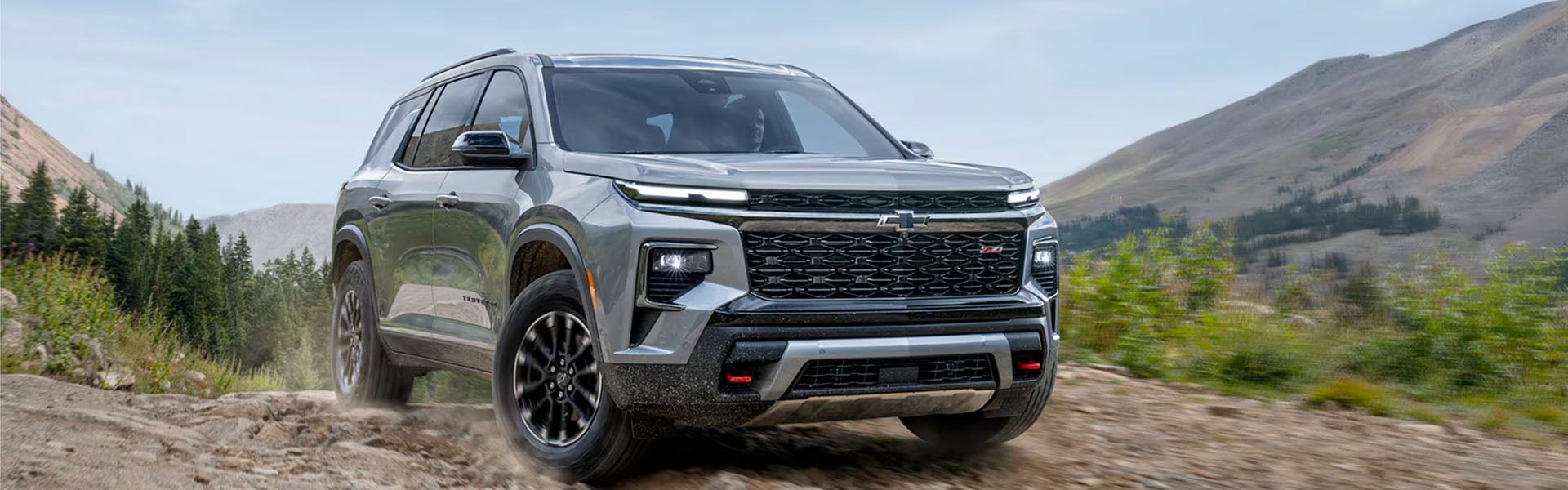
Chevrolet offers AWD, generally an on-demand system, across much of its SUV and truck lineup, so you have real flexibility depending on your driving habits. The Equinox and Traverse both offer available AWD for drivers who want that added security on wet roads, while still delivering a comfortable, everyday ride. If you're primarily driving paved roads around Patterson and want a capable, efficient option, a well-equipped FWD model paired with quality tires for wet roads is a perfectly sound choice.
The Silverado and Colorado also offer 4-wheel drive for those who need to handle more demanding conditions, including muddy job sites or unpaved roads after a heavy rain.
Visit Thompson Chevrolet to Find Your Best Fit
When it comes to AWD vs FWD in rain, there's no single right answer for every driver - it depends on your routes, your habits, and the condition of your tires. The team at Thompson Chevrolet is ready to walk you through the options and help you find the right vehicle for rainy-season driving in Patterson, CA. Stop by or visit us at thompsonchevrolet.com to explore current inventory and schedule a test drive.